
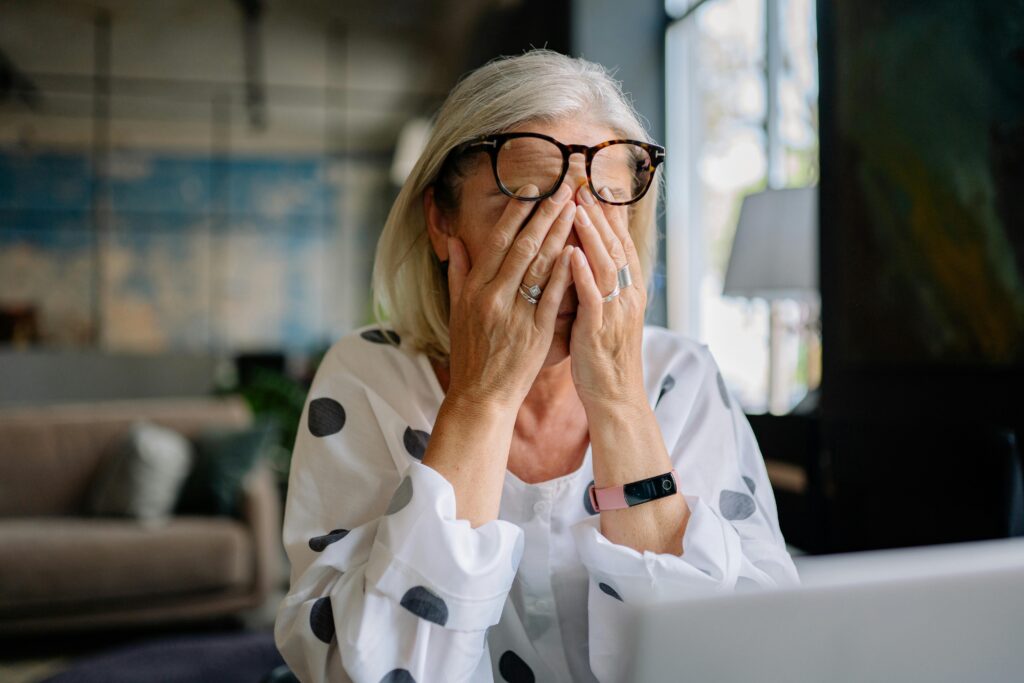
Hot flashes during menopause are caused by a disruption of the body’s temperature regulation system triggered by declining estrogen, which alters the sensitivity of the hypothalamus, the brain region that acts as the body’s internal thermostat, causing it to misfire and produce sudden intense heat responses. Understanding what’s happening biologically can help demystify one of the most disruptive symptoms of the menopausal transition and guide better treatment decisions.
Hot flashes affect up to 80% of women going through menopause, according to the North American Menopause Society. For some women they are mild and infrequent; for others they are severe, frequent, and significantly disruptive to work, sleep, and daily life. They can begin during perimenopause, years before the last period, and for some women continue for a decade or more after menopause.
The Biology of a Hot Flash
The hypothalamus is responsible for regulating core body temperature, maintaining it within a narrow comfort zone through feedback signals from the body. In women with normal estrogen levels, this thermostat operates within a relatively wide “thermoneutral zone”, a range of body temperature within which neither sweating nor shivering is triggered.
Research reviewed by the National Institutes of Health has shown that declining estrogen narrows this thermoneutral zone dramatically. As a result, even small fluctuations in body temperature, a warm room, physical exertion, stress, a cup of coffee, or simply a shift in ambient temperature, can trigger the hypothalamus to activate the body’s heat-dissipation mechanisms: peripheral blood vessels dilate, blood rushes to the skin, and sweating begins. The woman experiences this as a sudden wave of intense heat, flushing, and perspiration, a hot flash.
The physiological purpose of this response is real, the body genuinely believes it is overheating. The miscalibration is in the threshold, not the mechanism. Estrogen’s role in maintaining the width of the thermoneutral zone is why restoring estrogen levels is the most effective treatment for hot flashes.
What Makes Hot Flashes Worse?
While declining estrogen is the underlying cause, certain triggers can provoke hot flashes more frequently or intensely:
- Heat and humidity: Hot weather, hot beverages, and hot foods are among the most common direct triggers, particularly relevant in South Florida’s climate
- Alcohol: Alcohol causes peripheral vasodilation and can trigger or intensify hot flashes
- Caffeine: In some women, caffeine, particularly coffee, is a reliable hot flash trigger
- Stress and anxiety: The stress response activates the sympathetic nervous system and raises core body temperature, which can trigger flashes in women with a narrowed thermoneutral zone
- Spicy foods: Capsaicin and similar compounds trigger thermoreceptors in the mouth and digestive tract, producing a perceived temperature rise
- Tight or synthetic clothing: Clothing that traps heat and prevents moisture evaporation amplifies the hot flash experience
- Smoking: Smoking is associated with earlier menopause onset and more frequent, severe hot flashes
How Long Do Hot Flashes Last?
Individual hot flashes typically last between 1 and 5 minutes, though severe episodes can last longer. The total duration of the hot flash phase varies widely between women. The Cleveland Clinic notes that while hot flashes improve for many women within a few years of menopause, some women experience them for 10 years or more. Women who have hot flashes that begin during perimenopause, before the last period, tend to experience them for longer overall.
Why Nighttime Hot Flashes (Night Sweats) Are Particularly Damaging
Hot flashes occurring during sleep, night sweats, disrupt sleep architecture in ways that compound beyond the hot flash itself. Each episode activates the sympathetic nervous system, pulling the sleeper out of deep or REM sleep. Women who experience multiple night sweats per night accumulate severe sleep debt over weeks and months, producing fatigue, cognitive impairment, mood dysregulation, and reduced immune function that are independent of the hot flash symptoms themselves.
Addressing night sweats through hormonal treatment frequently produces the most immediate and dramatic quality-of-life improvement patients notice, often within days of achieving therapeutic hormone levels.
Treatment: What Actually Works for Hot Flashes
Hormone therapy is the most effective treatment for hot flashes, with the strongest clinical evidence base of any available intervention. According to NAMS, estrogen therapy reduces hot flash frequency by approximately 75% and severity by a similar margin in most treated women.
At BioHormone Center, women receive bioidentical estradiol through the pellet delivery method, which provides steady, consistent hormone levels 24 hours a day without the fluctuation that can actually trigger hot flashes in some women using cycling or variable-dose methods. Many women report complete resolution or near-complete resolution of hot flashes within 3–6 weeks of their first pellet insertion.
Women throughout the area visit our hormone therapy clinic in Weston, FL for personalized, pellet-based treatment under medical supervision.
Non-hormonal options exist for women who cannot take estrogen, including certain antidepressants and anti-seizure medications, but these are significantly less effective than hormone therapy and come with their own side effect profiles. Learn more about hormone replacement therapy for women at BioHormone Center.
Frequently Asked Questions
Are hot flashes dangerous?
Hot flashes themselves are not medically dangerous, they are uncomfortable and disruptive, but not harmful. However, frequent nighttime hot flashes produce chronic sleep disruption, which does carry health consequences over time. Additionally, severe hot flashes in some studies have been associated with changes in cardiovascular markers, though this relationship is complex and multidirectional.
Can I do anything to reduce hot flashes without medication?
Lifestyle modifications, avoiding known triggers, dressing in layers, keeping the bedroom cool, reducing alcohol and caffeine, can reduce hot flash frequency and severity at the margins. Mind-body practices like cognitive behavioral therapy (CBT) have some evidence for modest benefit. These approaches are worth implementing alongside any treatment, but are rarely sufficient as a standalone solution for women with moderate to severe hot flashes.
Why are my hot flashes worse at night?
Nighttime hot flashes are often more severe because core body temperature naturally drops during sleep, and the hypothalamic response to that drop can trigger the same misfiring described above. Additionally, sleeping environments (warm bedding, shared body heat) reduce the ability to dissipate the heat of a flash. Visit our FAQ page for more on managing nighttime symptoms.
How quickly does BHRT reduce hot flashes?
Most women notice a significant reduction in hot flash frequency and severity within 2–4 weeks of pellet insertion as estradiol levels build. Many experience complete or near-complete resolution within 4–6 weeks. The pellet’s consistent delivery is particularly effective for hot flash management because it avoids the hormone-level fluctuation that can itself trigger flashes in susceptible women.
Hot Flashes Are Treatable: You Don’t Have to Wait Them Out
If hot flashes are disrupting your sleep, your work, or your daily life, they deserve clinical attention, not acceptance. BioHormone Center in Weston, FL helps women throughout South Florida find relief from hot flashes and the full spectrum of menopause symptoms with personalized bioidentical hormone therapy. Schedule a consultation, Monday–Friday, 9AM–5PM.
Medical Disclaimer: This content is for informational purposes only and does not constitute medical advice. Consult a qualified healthcare provider before beginning any hormone therapy.