
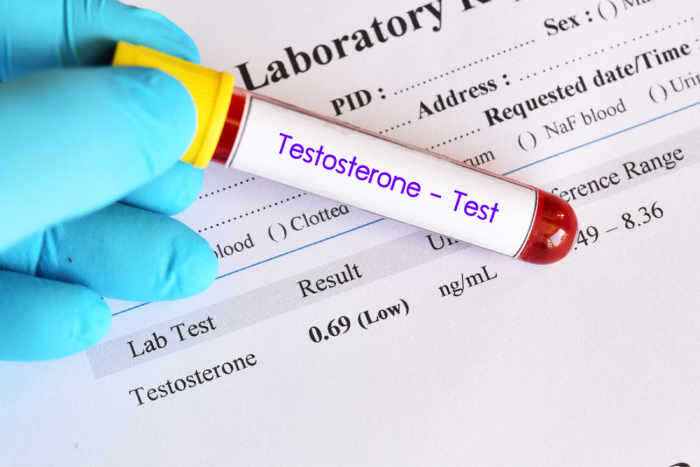
When it comes to the intricate tapestry of men’s health, few factors are as fundamental as testosterone. Often associated with masculinity, this hormone plays a pivotal role in numerous aspects of men’s well-being. From physical development to emotional balance, testosterone serves as a cornerstone for vitality and overall health. In this article, we’ll explore the significance of testosterone and shed light on its multifaceted role in men’s lives.
Understanding Testosterone: The Building Block of Masculinity
Testosterone is a hormone produced primarily in the testes, although the adrenal glands also contribute a smaller amount. It is a key player in the development of male reproductive tissues and characteristics, including the growth of facial and body hair, deepening of the voice, and the development of muscle mass and bone density. But its influence goes beyond the surface-level manifestations of masculinity; testosterone’s impact is deeply ingrained in several vital aspects of men’s health.
Physical Health: More Than Just Muscles
Muscle Mass and Bone Density: Testosterone is a potent stimulator of muscle protein synthesis, contributing to the development and maintenance of muscle mass. Additionally, it aids in maintaining healthy bone density, reducing the risk of osteoporosis and fractures.
Metabolism and Weight Management: Optimal testosterone levels play a role in regulating metabolism, influencing how the body stores and burns fat. Lower testosterone levels have been associated with increased body fat and a higher risk of obesity.
Cardiovascular Health: Testosterone supports healthy cardiovascular function by promoting the production of red blood cells and aiding in the dilation of blood vessels. This can contribute to better blood circulation and overall heart health.
Mental and Emotional Well-Being: The Hormonal Balance
Mood Regulation: Testosterone has been linked to mood regulation and emotional well-being. Low testosterone levels have been associated with an increased risk of mood disorders, such as depression and anxiety.
Cognitive Function: Some studies suggest that testosterone plays a role in cognitive function, including memory and spatial abilities. Maintaining optimal testosterone levels may contribute to sharper cognitive abilities as men age.
Energy and Vitality: Adequate testosterone levels are often associated with higher energy levels and an overall sense of vitality. Low levels can lead to fatigue, decreased motivation, and a sense of lethargy.
Sexual Health: Beyond Libido
Libido and Sexual Function: Testosterone is a key driver of male sexual desire (libido) and plays a role in erectile function. Low testosterone levels can lead to reduced sexual desire and difficulties in achieving or maintaining erections.
Fertility: Testosterone is crucial for the production of healthy sperm. Low testosterone levels can negatively impact sperm count and quality, potentially affecting fertility.
Aging and Testosterone: Navigating the Changes
As men age, testosterone levels tend to gradually decline. This natural phenomenon, known as andropause, is akin to menopause in women. While some decline is normal, a significant drop in testosterone levels can lead to various health concerns. Lifestyle factors, such as maintaining a healthy weight, engaging in regular physical activity, managing stress, and getting adequate sleep, can play a role in supporting healthy testosterone levels as men age.
Biohormone therapy, also known as hormone replacement therapy (HRT), emerges as a valuable solution for addressing the challenges posed by low testosterone levels. This innovative approach involves administering bioidentical hormones to restore testosterone to optimal levels, promoting enhanced physical well-being and emotional equilibrium. By carefully tailoring the treatment to an individual’s specific needs, biohormone therapy offers a targeted approach to counter the effects of low testosterone. From revitalizing energy levels to rekindling libido and bolstering bone density, this therapy can serve as a transformative tool in the pursuit of holistic men’s health. Under the guidance of qualified medical professionals, biohormone therapy stands as a beacon of hope for those seeking to regain their vitality and reclaim their zest for life.
Supporting Healthy Testosterone Levels: Lifestyle Choices That Make a Difference
While bioidentical hormone replacement therapy (BHRT) can effectively restore testosterone to optimal levels, adopting healthy lifestyle habits is essential for maintaining and supporting testosterone production naturally. Men can enhance their testosterone levels and overall well-being by focusing on nutrition, physical activity, and stress management.
1. Balanced Nutrition
A diet rich in healthy fats, protein, and micronutrients is crucial for hormone production. Foods such as lean meats, avocados, nuts, seeds, and olive oil help support testosterone levels. Zinc (found in pumpkin seeds, shellfish, and legumes) is particularly important for testosterone production, as deficiencies in zinc have been linked to lower testosterone. Additionally, Vitamin D, which can be obtained from sunlight or fortified foods, has a direct correlation with testosterone levels.
2. Regular Exercise
Strength training, such as weight lifting or resistance exercises, is one of the most effective ways to naturally boost testosterone. High‑intensity interval training (HIIT) and aerobic exercises like sprinting or cycling can also help increase testosterone production. Regular exercise not only stimulates muscle growth but also improves overall metabolic function, contributing to better weight management, which is key for maintaining testosterone levels as men age.
3. Stress Management and Sleep
Chronic stress leads to elevated cortisol levels, which can negatively impact testosterone. Practicing stress management techniques such as meditation, deep breathing, or yoga can help reduce cortisol levels and promote a balanced hormonal environment. Additionally, quality sleep is essential, as testosterone is primarily produced during deep sleep stages. Aim for 7-9 hours of restful sleep each night to support optimal hormone production.
By combining testosterone replacement therapy (TRT) with these lifestyle strategies, men can achieve a more holistic approach to hormone health, promoting long-term vitality and well-being. Taking action to maintain healthy testosterone levels naturally, in addition to professional treatment, ensures that men can stay active, energetic, and healthy at every stage of life.